Eco-Friendly Fall Yard CleanupSeasonal Eco Update ECO-Friendly Yard Clean-upQuick tips to support soil health, save time, and help pollinators over winter. 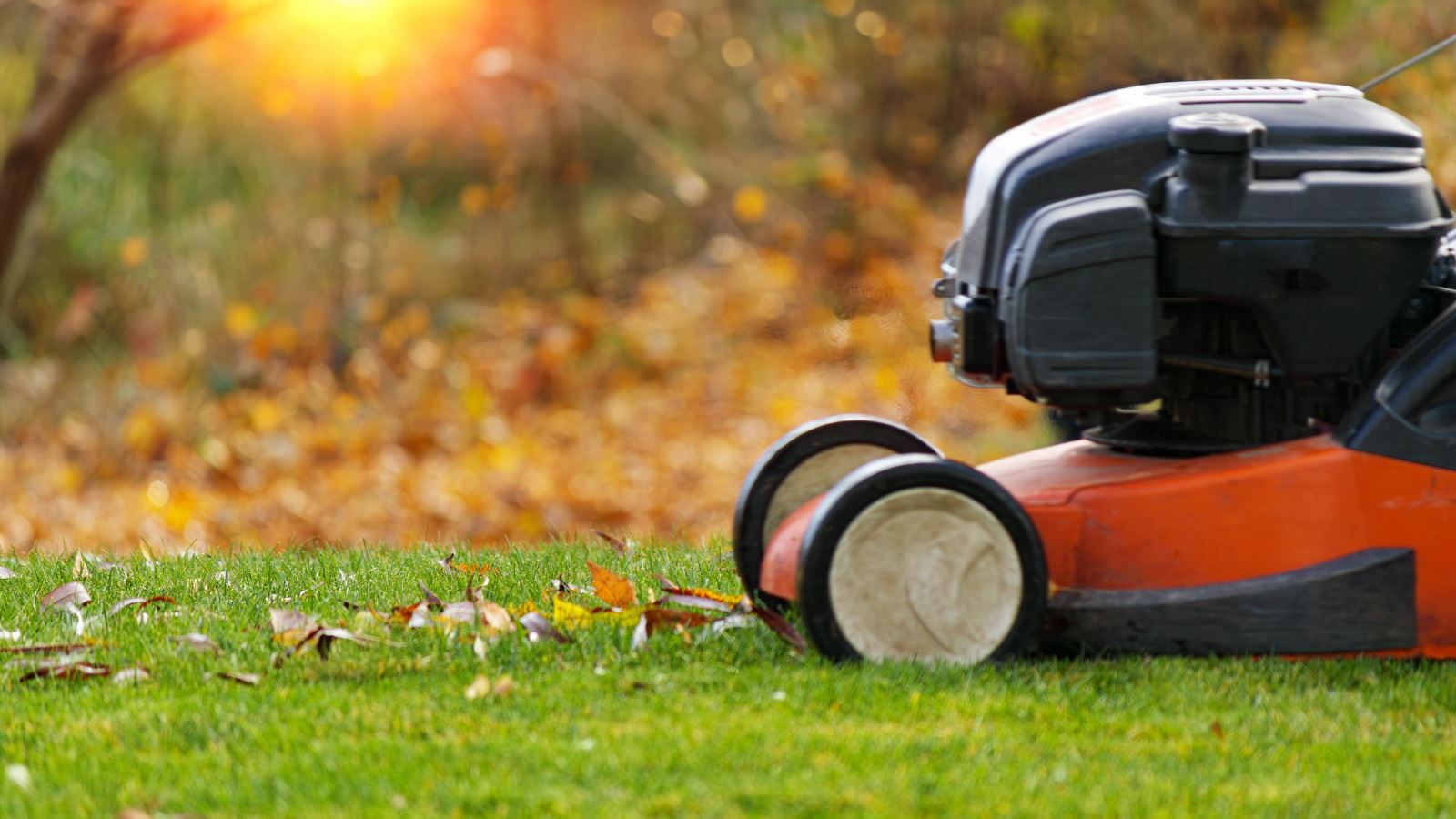 When to Stop MowingAfter the first hard frost, growth slows—time to wrap up. Make a final pass at 2.5–3 inches and leave the edges taller to create shelter for pollinators. Try this: Mow the center; leave a 1–2 ft border along fences, trees, or beds. 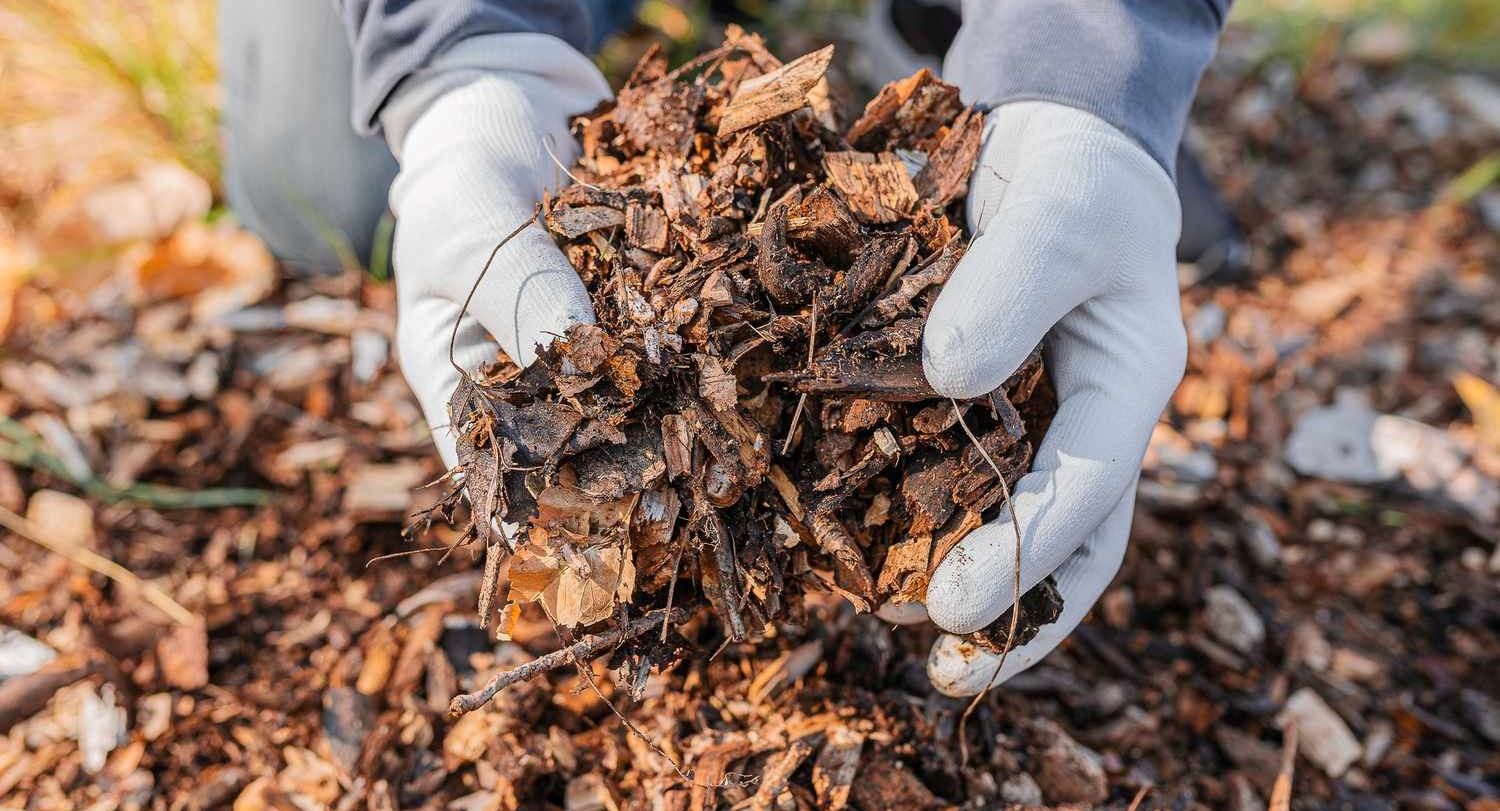 Mulch Leaves Instead of BaggingShred leaves with your mower and let them settle into the turf. Mulched leaves feed the soil, reduce waste, and save time. Tip: If the layer is thick, do two passes—you should still see grass afterward. 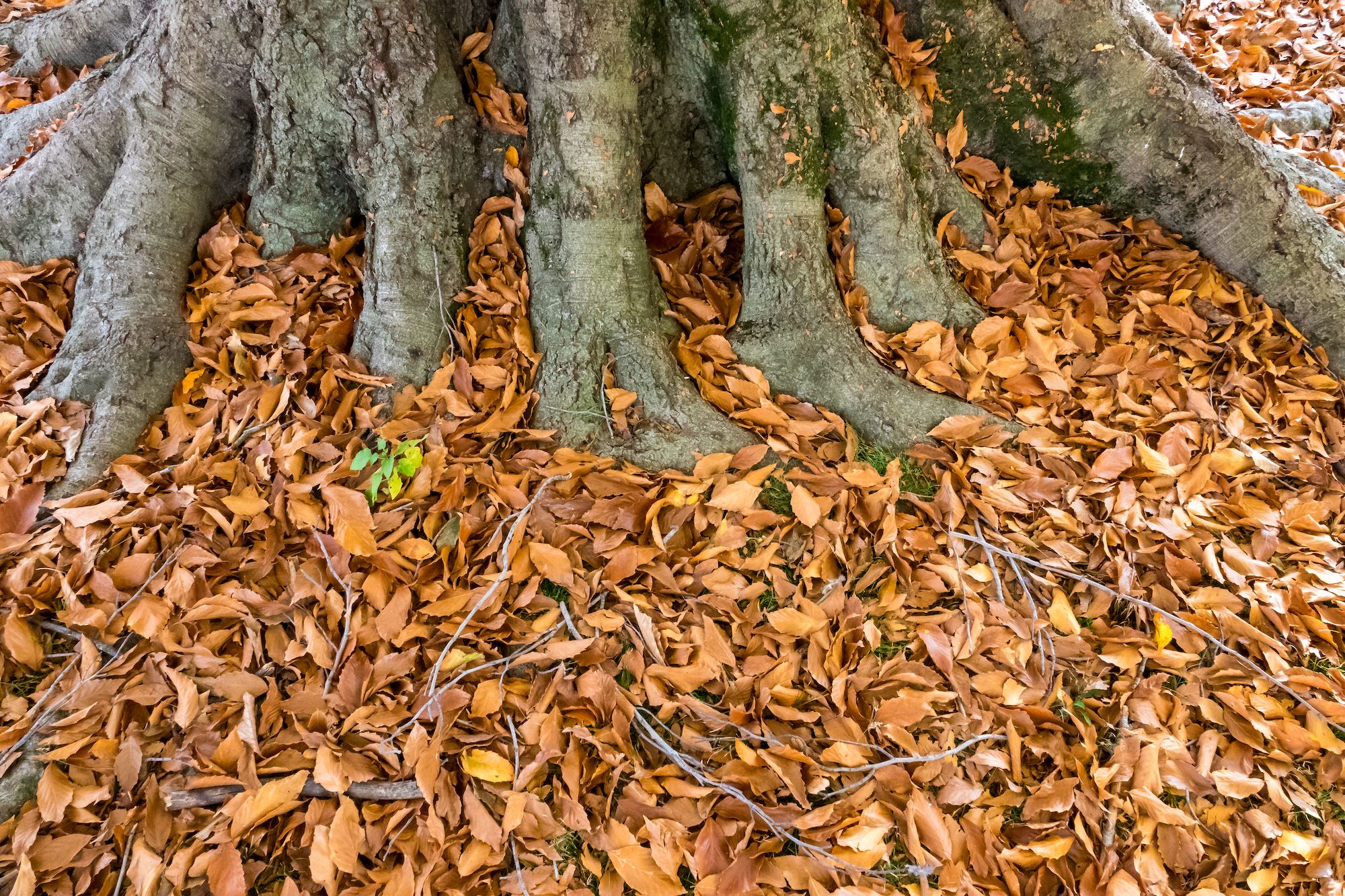 “Leave the Leaves” (Strategically)Leaves in garden beds and under trees create a cozy winter habitat for butterflies, bees, and beneficial insects. Do: Clear sidewalks, drains, and play areas; leave low-maintenance corners.  Fall Native Plant & Seed SowingFall is prime time for native wildflowers and grasses—they stratify over winter and burst in spring. Less mowing, more color. Starter picks: Black-eyed Susan, purple coneflower, little bluestem. 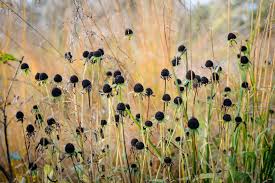 Help Pollinators Over WinterSeed heads, hollow stems, and light leaf cover are natural shelters. Birds snack on seeds; insects tuck into stems and litter. Keep: Some stalks and seed heads until spring. Skip: Heavy cutbacks and full cleanouts. 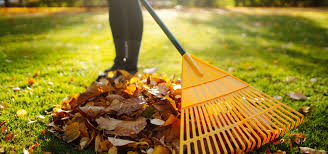 Cut Back on Gas EquipmentUsing fewer passes with mowers and blowers results in lower emissions and reduced noise. Your neighbors—and the planet—will thank you. Swap: Try raking in small areas; plan one tidy-up instead of multiple ones. 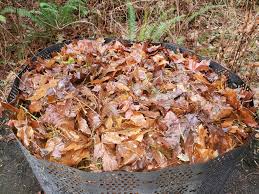 Compost What You CanLeaves + grass clippings = free compost for spring beds. Bag less, build soil more. Recipe: 2–3 parts dry leaves to 1 part greens; keep moist and turn every couple of weeks.
|
|
|
|
 Share on Facebook
 Share on Twitter
 Share via Email
